How to Prepare Your Dive Business for Sale
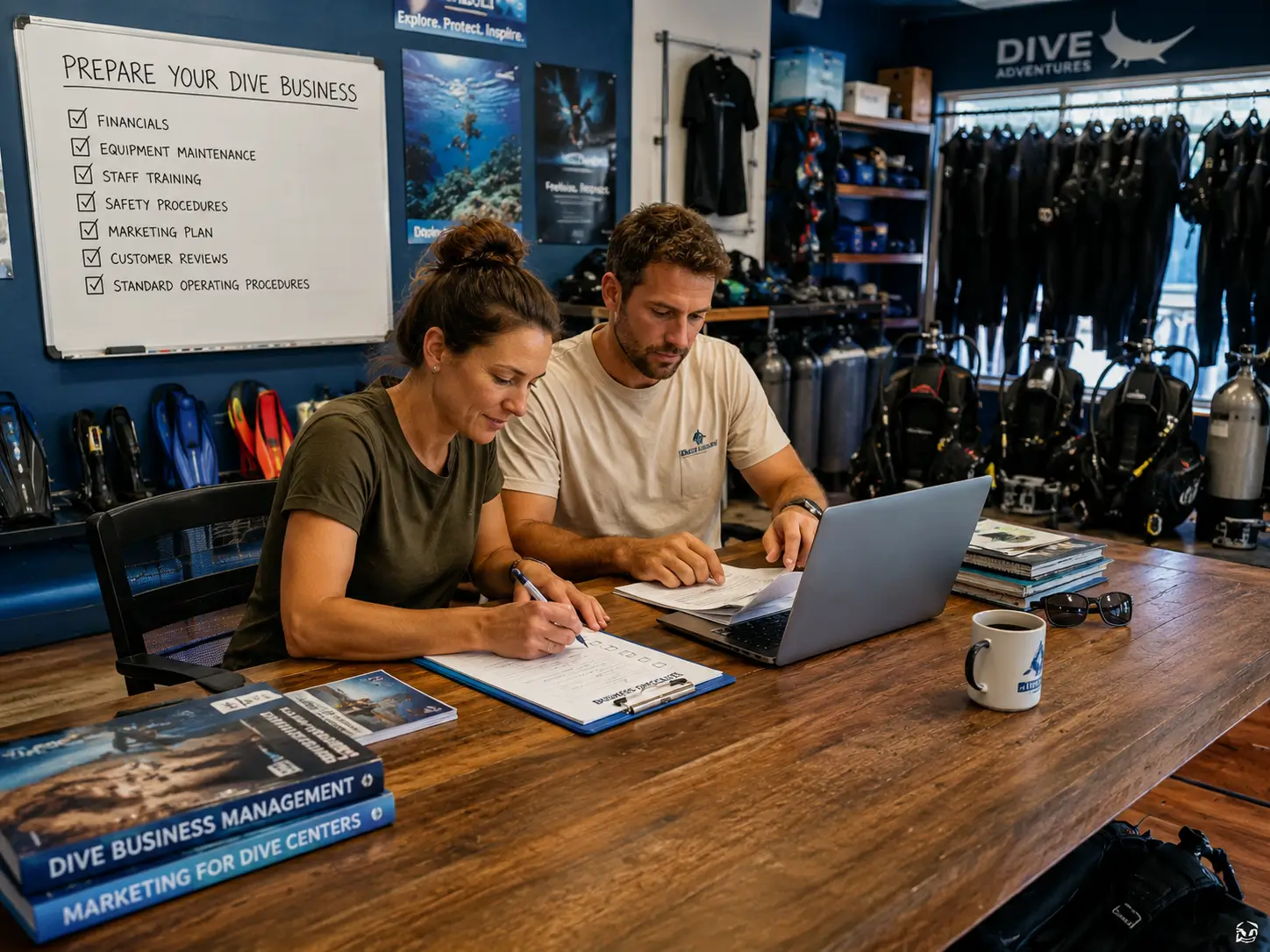
Before you publish a dive business for sale, take time to prepare it properly.
A good listing can attract attention, but good preparation creates trust. Serious buyers want to see that the business is organized, that the assets are clear, and that the owner understands what is being sold.
This does not mean your dive center must be perfect. Many buyers are open to businesses that need improvement. But they want to understand the situation before they invest time, money and professional advice.
On "Dive Listings", sellers can present dive centers, dive shops, dive boats, liveaboards and other scuba-related businesses to interested buyers. The stronger your preparation, the easier it is to create a clear listing and answer buyer questions.
If you are still planning the overall sale process, start with our guide on "how to sell a dive center". This article focuses only on what to prepare before your listing goes live.
1. Decide What You Are Actually Selling
Before preparing photos, documents or a description, define the sale package.
This is the foundation of the whole listing.
Are you selling the full company, selected assets, the brand, the lease rights, the equipment, the website, the customer base or a combination of these?
Make a simple list with three sections:
Included in the sale
- Business name
- Rental equipment
- Compressor
- Tanks
- Boats or vehicles
- Website and domain
- Social media accounts
- Booking system
- Customer database
- Retail stock
- Local partnerships
- Lease rights
- Training agency status
- Handover support
Not included in the sale
- Personal equipment
- Personal vehicle
- Private phone number
- Personal email address
- Assets owned by another company
- Boats or premises not part of the deal
- Any leased or financed items
Needs clarification
- Licenses or permits
- Lease transfer
- Staff continuation
- Supplier agreements
- Hotel partnerships
- Digital account access
This step prevents confusion later. Buyers do not like discovering that important items are not included after they have already started serious discussions.
2. Prepare a Clean Asset List
A dive business usually includes many physical and digital assets. Buyers need to know what they are getting.
Create a simple asset list before publishing the listing.
You do not need to show every detail publicly, but you should have it ready for serious buyers.
Your asset list may include:
- Number of regulators
- Number of BCDs
- Number of wetsuits
- Number of tanks
- Compressor details
- Oxygen kit
- First aid equipment
- Boats and engines
- Vehicles or trailers
- Retail stock
- Office equipment
- Tools and spare parts
- Website and domain
- Google Business Profile
- Social media accounts
- Booking system
- Photos and videos
- Customer database
For larger items, include age, condition and whether the item is owned, leased or financed.
This makes the business easier to understand and reduces unnecessary questions.
A clean asset list also helps you create a stronger listing later. For more on that, read "how to create a strong dive business listing".
 |
3. Organize Basic Financial Information
You do not need to publish all financial details publicly, but you should prepare basic numbers before speaking with buyers.
Most serious buyers will want to understand:
- Annual revenue
- Monthly revenue pattern
- Main revenue sources
- Approximate profit
- Rent
- Staff costs
- Insurance
- Boat or vehicle costs
- Equipment maintenance
- Marketing costs
- Booking platform commissions
- Seasonality
- Owner involvement
Prepare a simple summary from the last two or three years if possible.
The goal is not to overwhelm buyers with accounting documents at the first stage. The goal is to show that the business has real numbers behind it.
If your financials are not perfectly organized, do not hide that. Instead, prepare the best clean summary you can and be ready to explain the business honestly.
Buyers trust clarity more than inflated claims.
4. Separate Revenue by Source
A buyer will want to know how the business makes money.
Before listing the business, break down your revenue into simple categories.
For example:
- Courses
- Fun dives
- Boat dives
- Shore dives
- Snorkeling
- Freediving
- Retail sales
- Equipment rental
- Equipment servicing
- Private charters
- Hotel bookings
- Online bookings
- Group bookings
This is useful because it helps buyers understand the business model quickly.
A dive center that earns mainly from beginner courses is different from one that earns from experienced divers, technical diving, boat trips or retail sales.
You do not need to publish all details in the public listing, but you should know your own revenue structure before buyers ask.
5. Review the Lease or Premises Situation
If your dive center operates from rented premises, buyers will ask about the lease.
Prepare answers before listing.
Check:
- How long is left on the lease
- Current monthly rent
- Deposit amount
- Renewal options
- Whether the lease can transfer
- Whether landlord approval is needed
- Whether rent will increase soon
- Whether the lease allows the current business activities
- Whether storage, signage or compressor use is covered
If you own the property, prepare basic property details separately from the business sale.
A strong location can add value, but only if the buyer understands the terms.
If the lease is short or needs renewal soon, do not hide it. Explain it clearly. Some buyers may still be interested, but they will want to price the risk correctly.
6. Check Licenses, Permits and Insurance
Before going public, collect your important legal and operating documents.
This may include:
- Business registration
- Local activity license
- Tourism license
- Dive operation permit
- Boat registration
- Harbor or marina permission
- Compressor inspection documents
- Insurance policies
- Staff contracts
- Safety procedures
- Training agency documents
The key point is not to publish all of these documents immediately. The key point is to know what you have and what may need to be transferred, renewed or explained.
If some documents are missing, outdated or not transferable, deal with that before the buyer discovers it late in the process.
For overseas buyers, this will be especially important. A foreign buyer may need more reassurance before committing to the deal.
 |
7. Prepare Equipment and Service Records
Dive equipment is one of the first things buyers notice.
Before taking photos or publishing your listing, inspect your own equipment with a buyer’s eyes.
Ask yourself:
- Is the equipment clean and organized?
- Are service records available?
- Are tank inspection dates clear?
- Is the compressor maintenance history ready?
- Are old or damaged items separated?
- Are personal items removed from the sale list?
- Are boats and vehicles properly documented?
You do not need to replace everything before selling. But you should be honest about condition.
A buyer can accept used equipment. What they do not like is uncertainty.
If some equipment needs replacement, mention it clearly during serious discussions. This can avoid conflict later and make negotiations more professional.
8. Clean and Organize the Dive Center
Presentation matters.
A buyer may be interested in the business numbers, but the first impression still affects trust.
Before taking photos or arranging visits:
- Clean the shop
- Organize rental equipment
- Remove clutter
- Label storage areas
- Tidy the compressor area
- Clean boats and vehicles
- Update signage if needed
- Remove broken or unused items
- Prepare the reception area
- Make the business look active and professional
This does not mean creating a fake image. It means showing the business at its best.
A tidy dive center suggests good management. A chaotic one makes buyers wonder what else may be disorganized.
9. Prepare Good Photos
Photos are one of the most important parts of your listing.
Poor photos can make a good business look weak. Good photos help buyers understand the opportunity faster.
Prepare photos of:
- Outside of the dive center
- Reception or customer area
- Equipment storage
- Compressor area, if appropriate
- Training area
- Retail area
- Boats
- Vehicles
- Dive site access
- Local surroundings
- Team in operation, if suitable
- Customers preparing for dives, with permission
Use landscape photos where possible. Avoid blurry, dark or messy images.
Do not rely only on underwater photos. Buyers want to see the business, not only the destination.
For Dive Listings, strong photos should help a buyer understand what they are actually buying.
 |
10. Organize Digital Assets
Digital assets can be very valuable in a dive business sale.
Before listing, check who owns and controls:
- Domain name
- Website
- Hosting
- Business email accounts
- Google Business Profile
- Facebook page
- Instagram account
- YouTube channel
- Booking system
- Online review profiles
- Customer database
- Newsletter software
- Advertising accounts
- Photos and videos
Make sure passwords, admin access and ownership details are clear.
A buyer may be very interested in your online reviews, website traffic, social media presence and booking history. But those assets only have value if they can be transferred properly.
If an agency, former employee or partner controls something important, solve that before selling.
11. Prepare a Short Seller Summary
Before your listing goes live, prepare a short private seller summary.
This is not the same as the public listing. It is a simple document or note you can use when talking to serious buyers.
It should include:
- Business overview
- Reason for sale
- What is included
- Main revenue sources
- Basic financial summary
- Staff structure
- Lease situation
- Key assets
- Growth opportunities
- Handover offer
- Information available after buyer qualification
This saves time because you do not have to rewrite the same answers for every serious inquiry.
It also helps you sound organized and professional.
12. Decide What to Keep Confidential
Before publishing, decide what information you are comfortable sharing publicly.
Some sellers are happy to show the business name and exact location. Others prefer to keep details private until a buyer is qualified.
You may want to protect:
- Business name
- Exact address
- Staff information
- Detailed revenue
- Supplier names
- Hotel partnerships
- Customer database
- Lease documents
- Tax records
- Internal procedures
There is nothing wrong with confidentiality if it is handled professionally.
Your public listing can still be attractive with general information, strong photos and a clear summary.
For sensitive sales, read "how to sell a dive business confidentially" before publishing.
13. Prepare Answers to Common Buyer Questions
Buyers often ask similar questions.
Prepare answers before the listing goes live.
Common questions include:
- Why are you selling?
- How long has the business operated?
- What is included in the sale?
- Is the business profitable?
- Is the lease transferable?
- Are staff willing to stay?
- Are licenses transferable?
- Is the website included?
- Are boats or vehicles included?
- What investment is needed after purchase?
- What are the busiest months?
- What support will you provide after sale?
If you answer these questions clearly, serious buyers will feel more confident.
Unclear answers create doubt and slow down the sale.
 |
14. Identify Easy Improvements Before Listing
Some small improvements can make the business more attractive before you list it.
Examples:
- Update business photos
- Clean equipment area
- Organize service records
- Fix broken website links
- Update Google Business Profile
- Reply to recent reviews
- Prepare a clear asset list
- Remove old unused equipment from photos
- Refresh the listing description
- Prepare better financial summaries
Do not spend large amounts of money only to make the sale look better unless it clearly increases value.
Focus on improvements that make the business easier to understand and easier to trust.
15. Prepare the Handover Outline
A buyer will want to know what happens after the sale.
Prepare a simple handover outline before listing.
This may include:
- How many days or weeks you can support the buyer
- Staff introductions
- Supplier introductions
- Partner introductions
- Website and account handover
- Booking system training
- Equipment maintenance explanation
- Local market explanation
- Customer communication templates
- Safety procedure explanation
A clear handover offer can make your business more attractive, especially to first-time buyers or foreign buyers.
It shows that you are not only selling the business, but also helping the next owner continue it properly.
Final Thoughts
Preparing your dive business before listing it for sale can make a major difference.
A prepared seller creates trust. An unprepared seller creates uncertainty.
You do not need to make the business perfect. But you should organize the sale package, asset list, basic financials, lease information, licenses, equipment records, photos, digital assets and handover plan before speaking with serious buyers.
This preparation saves time, improves buyer confidence and helps you create a stronger listing.
A buyer may still negotiate. They may still ask difficult questions. But if your information is clear, the process will be much smoother.
The more organized your business looks, the easier it is for a buyer to imagine taking it over.
Next Steps for Sellers
If you are still planning the overall process, start with our guide on "how to sell a dive center".
When your information is ready, learn "how to create a strong dive business listing" that attracts serious buyers.
If you need privacy during the sale, read our guide on "how to sell a dive business confidentially".
When you are ready to reach buyers, you can list your opportunity on "Dive Listings".
You can also explore more guides in our "Selling a Dive Business" section.
 |